
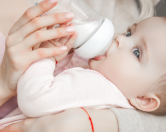
As a mom and pediatric sleep consultant, I know how much parents rely on the bottle—especially during those long days (and even longer nights). It can feel like your go-to solution for everything: hunger, comfort, sleep, and soothing.
So when someone says, “It’s time to get rid of the bottle,” it can feel… overwhelming.
But here’s the truth: transitioning away from the bottle is one of the most important (and often overlooked) steps in supporting your child’s sleep, development, and overall health.
Let’s break it down so you know exactly when to do it, why it matters, and how to make it as smooth as possible.
When Should You Get Rid of the Bottle?
According to the American Academy of Pediatrics, you should begin transitioning from the bottle around 12 months, with the goal of being fully done by 16 months.
I know—that can feel fast.
But this window is actually ideal. It’s when your child is developmentally ready and before habits become much harder to break.
Why This Transition Matters (More Than You Think)
1. It Protects Your Child’s Teeth
Prolonged bottle use—especially with milk—can lead to tooth decay.
Milk contains natural sugars that sit on your child’s teeth, especially if they’re going to bed with a bottle. Over time, this creates the perfect environment for cavities.
And once that damage starts, it’s hard to undo.
2. It Supports Healthy Oral Development
The sucking motion used for bottles is very different from drinking from a cup.
When bottle use lingers too long, it can impact:
Jaw development
Palate shape
Tooth alignment
Moving to a cup helps your child develop the muscles they need for speech, eating, and proper oral function.
3. It Encourages Independence
This is one of those “small but big” milestones.
Drinking from a cup supports:
Hand-eye coordination
Fine motor skills
Confidence and independence
And yes—those little “I did it!” moments matter.
4. It Improves Nutritional Balance
After 12 months, your child should be getting most of their nutrition from solid foods—not milk.
When toddlers rely too heavily on bottles, they often:
Fill up on milk
Eat fewer solids
Miss out on key nutrients
In fact, too much milk (over ~24 oz/day) can increase the risk of iron deficiency anemia.
5. The Bottle Becomes a Sleep Crutch
This is the one I care deeply about—and where I see parents get stuck.
If your child is using a bottle to fall asleep, it’s not just a feeding tool anymore—it’s a sleep prop.
And here’s what that means:
Your child may:
Fall asleep with the bottle
Wake up between sleep cycles (which is normal)
Need the bottle again to fall back asleep
So even if it feels like your child “sleeps great,” if they rely on a bottle, they’re not truly sleeping independently.
And that’s often why:
Night wakings continue
Early mornings happen
Sleep feels inconsistent
Removing the bottle is a key step toward 11–12 hours of consolidated, independent sleep.
How to Transition from Bottle to Cup (Without the Drama)
1. Start with Daytime First
Begin by offering a cup with meals—ideally with water.
Let your child explore it. Yes, it might get messy. That’s part of learning.
2. Remove Daytime Bottles
You can:
Gradually reduce bottles
orGo cold turkey (which I often recommend at this age)
Daytime bottles are much easier to eliminate than bedtime ones—so start there.
3. Tackle the Bedtime Bottle (Strategically)
This is where most parents hesitate.
But if your goal is better sleep, this step matters.
Instead of feeding right before sleep:
Move the bottle to the beginning of the bedtime routine
Follow with bath, books, songs, etc.
Put your child down awake
This helps break the feed-to-sleep association.
4. Expect Some Pushback (and Stay Consistent)
Your child might:
Protest
Ask for the bottle
Even go on a temporary “milk strike”
That’s normal.
Offer comfort, stay consistent, and trust that this is a short adjustment period—not a long-term problem.
5. Celebrate the Wins
Praise your child. Make it positive.
This is a big transition—and they can do it with your support.
Final Thoughts
Transitioning away from the bottle isn’t just about hitting a milestone—it’s about setting your child up for:
Better sleep
Stronger development
Healthier habits
And if your child is still relying on a bottle to fall asleep or stay asleep, you’re not alone—but it’s also a sign that sleep could be so much better.
Ready for Better Sleep (Without the Guesswork)?
If you’re feeling stuck—whether it’s bedtime battles, night wakings, or early mornings—I can help you create a clear, step-by-step plan that actually works for your child.
👉 Book your discovery call here.